
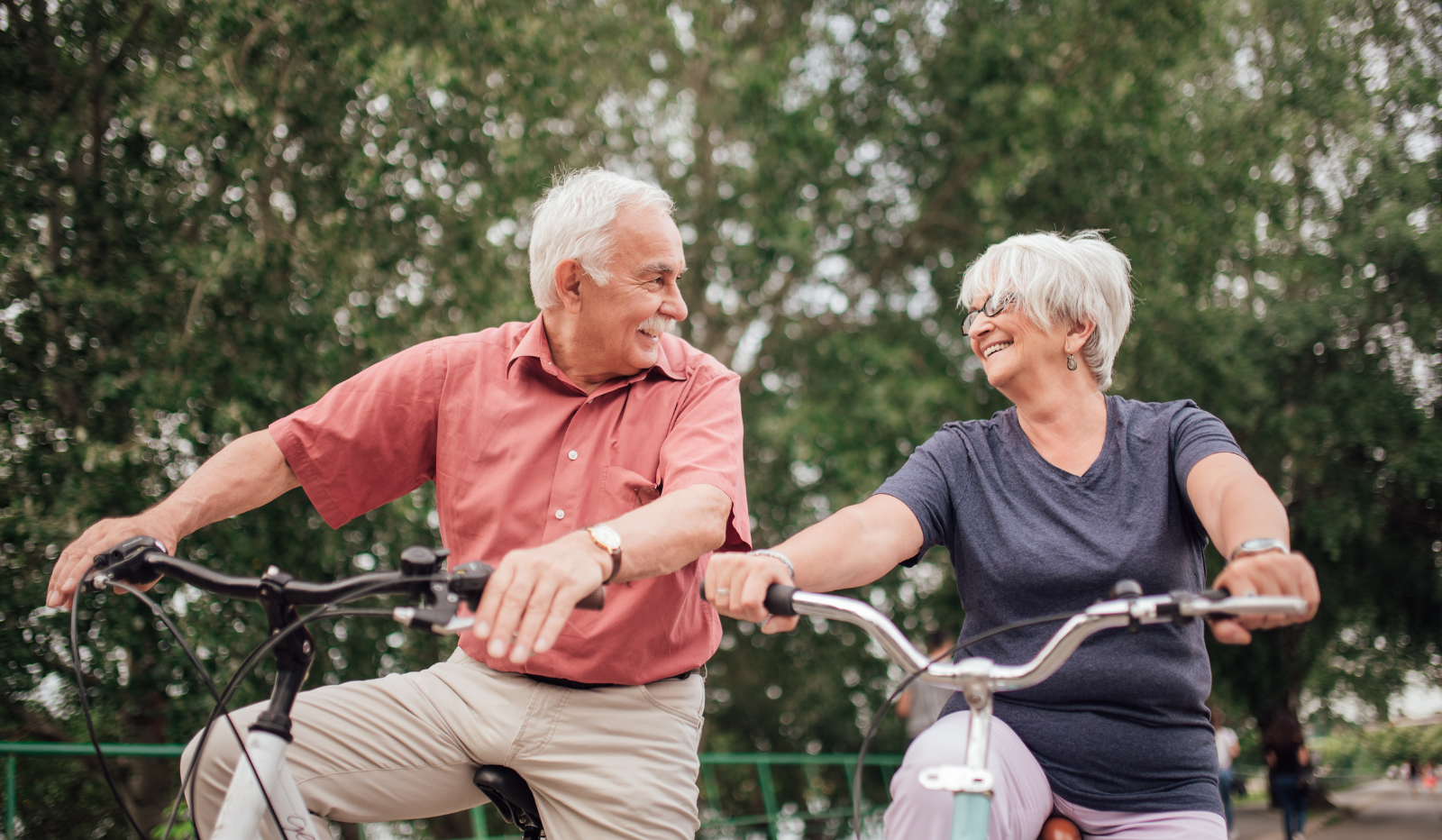
For many adults, walking feels different than it once did. Steps may feel slower, balance slightly less steady, or fatigue may appear sooner than expected. These changes are common, yet many people aren’t sure what actually helps improve comfort and confidence while walking.
While there’s no single solution that works for everyone, experts increasingly agree that small adjustments — in movement, environment, and support — can make a meaningful difference.
Stability Begins With How the Body Moves
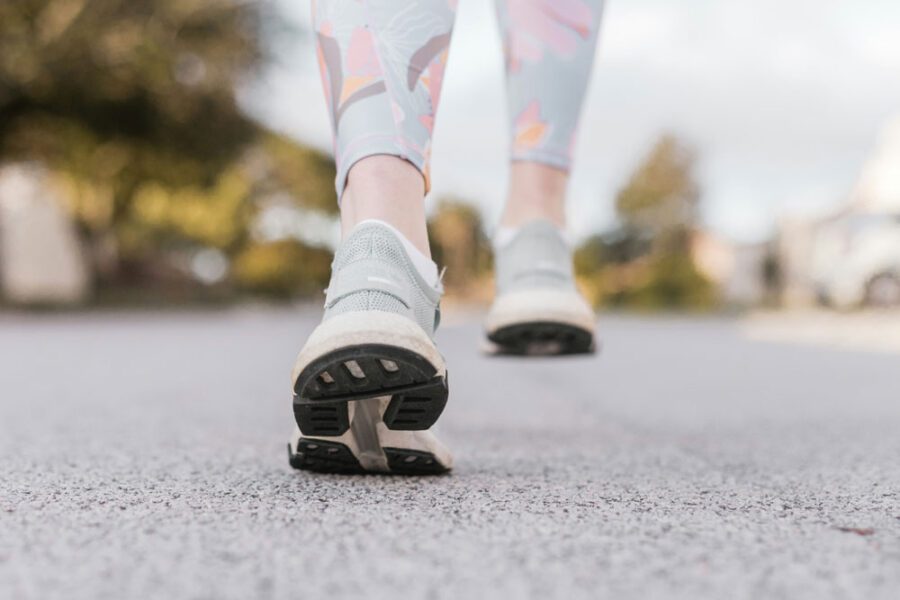
Walking is not just about moving forward. Each step requires balance, coordination, and timing. When one part of that system changes, the entire walking pattern can feel less automatic.
For example:
- lifting the foot slightly less can increase the risk of catching a toe
- slower balance reactions can make uneven ground feel more challenging
- fatigue can affect posture and stride length
These shifts are often subtle, but over time they can influence how safe and confident walking feels.
Why Confidence Plays a Bigger Role Than Many Realize

Research in mobility and fall prevention shows that confidence itself can affect how people walk. When someone feels uncertain about their footing, they may shorten their stride, walk more cautiously, or avoid certain environments altogether.
This can create a cycle:
- walking less leads to reduced strength and coordination
- reduced strength makes walking feel harder
- harder walking reduces confidence further
Breaking that cycle often involves finding ways to make each step feel smoother and more predictable again.
Approaches That Can Help Improve Walking Comfort
Specialists often recommend a combination of strategies tailored to the individual. These may include:
Maintaining strength and coordination
Targeted exercises can help keep muscles responsive and support balance.
Choosing supportive footwear
Footwear that promotes stability, cushioning, and natural movement can reduce effort during walking.
Adapting walking environments
Simple adjustments like improved lighting, handrails, or choosing even surfaces can make movement feel safer.
Using mobility-support tools when needed
Some people benefit from assistive devices or solutions designed to support smoother steps.
In recent years, innovation in mobility support has focused on helping the body move naturally rather than restricting motion — aiming to make walking feel easier while still allowing control and stability.
The Goal Isn’t Perfect Walking — It’s Confident Walking
For most people, the objective isn’t to walk faster or farther than before. It’s simply to feel steady, comfortable, and confident enough to move freely again.
Small changes can often make a meaningful difference in how safe each step feels.


