
When walking begins to feel less steady or more tiring, most people first think about exercise, balance training, or mobility aids. While those approaches can help, specialists increasingly point to another factor that often goes overlooked: footwear design.
The way a shoe interacts with the ground can influence how each step feels, how smoothly the body moves forward, and how much effort walking requires.
Walking Is a Chain Reaction From the Ground Up
Every step begins at the foot. As the foot meets the ground, the body relies on a sequence of movements to maintain balance and forward motion. When this sequence feels natural, walking requires little thought. But when it’s disrupted, each step can feel more effortful.
Footwear can influence this process in several ways:
- how easily the foot moves forward
- how stable the body feels during weight transfer
- how much shock or impact travels upward
- how confidently the walker feels on different surfaces
Even small design differences can affect how smoothly that chain reaction unfolds.
Why Traditional Footwear Doesn’t Always Address Walking Challenges
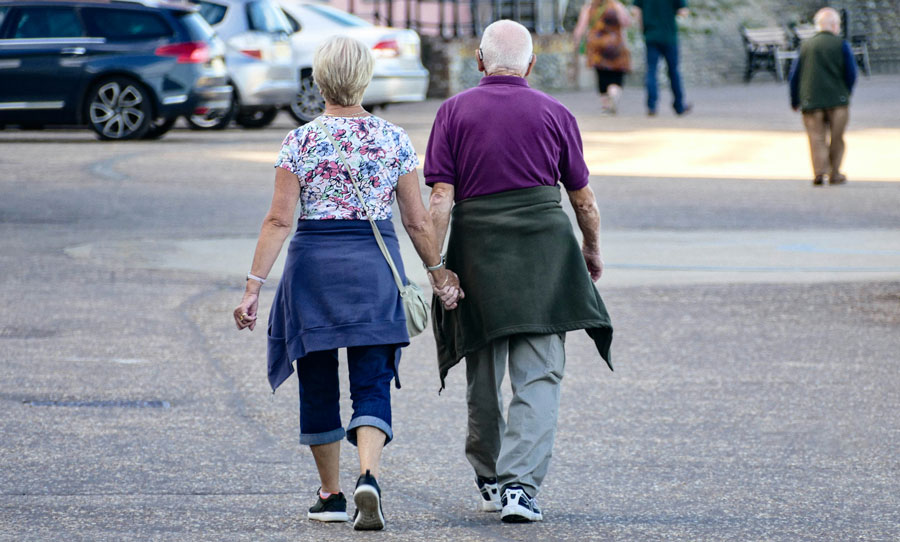
Most athletic shoes are designed for general comfort or performance, not necessarily for individuals experiencing changes in coordination, stability, or stride mechanics.
Some shoes may feel soft but require more effort to move forward. Others may feel supportive but restrict natural motion. For people who already feel less steady or more fatigued while walking, these differences can matter more than expected.
This has led researchers and designers to explore new approaches to footwear that support movement rather than simply cushioning it.
New Approaches Focus on Supporting Natural Movement
Recent innovations in mobility-focused footwear have explored ways to help the body move forward more smoothly while still maintaining control and stability.
Rather than forcing the foot into a rigid position, some designs aim to:
- reduce the effort required to initiate a step
- allow the body’s natural stride to continue forward
- maintain grip and control once weight is applied
- support confidence across different walking environments
These approaches reflect a shift in thinking: instead of correcting movement, the goal is often to make walking feel easier and more predictable again.
Confidence Often Improves When Movement Feels Easier
For many adults, the greatest change isn’t speed or distance — it’s confidence. When each step feels smoother and more controlled, people often find they’re more willing to walk longer distances, navigate outdoor environments, and stay active in daily life.
Small differences in how the foot moves can have a meaningful impact on how safe walking feels overall.


