
Many adults describe the same frustrating experience:
You’re walking normally — and suddenly your toe catches the ground. Sometimes it’s minor. Other times it’s enough to throw off your balance.
For some, it happens occasionally. For others, it becomes a growing source of concern.
While it may feel random, there are often clear reasons why this occurs.
What Causes Toe Catching?
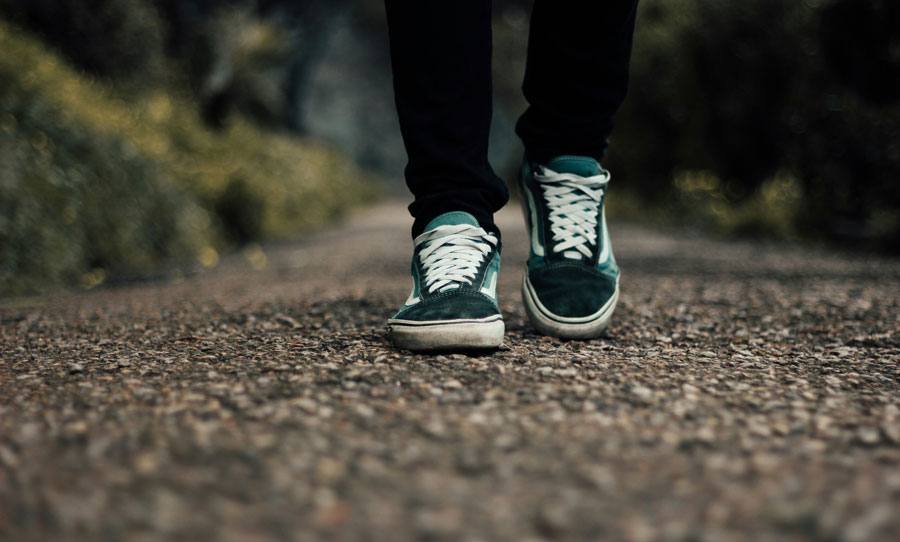
Walking requires precise timing between lifting the foot, clearing the ground, and placing it down smoothly. Even small changes in strength, coordination, or stride can interfere with that rhythm.
Common contributing factors include:
Reduced foot lift
The front of the foot may not rise quite as high during each step, increasing the chance of contacting the ground.
Shortened stride
Steps may become smaller or slower, sometimes unconsciously.
Fatigue
As muscles tire, foot clearance can become less consistent.
Changes in coordination
Subtle timing differences between the hip, knee, and ankle can alter how the foot moves forward.
These changes are often gradual, which is why many people don’t notice them immediately.
Why It Matters

Even minor toe catches can affect confidence.
Over time, people may begin to:
- walk more cautiously
- avoid uneven surfaces
- limit outdoor activity
- feel anxious in crowded or unfamiliar places
The physical impact is important — but the emotional effect can be just as significant.
Walking should feel automatic. When every step requires attention, it becomes mentally exhausting.
What Can Help Improve Foot Clearance
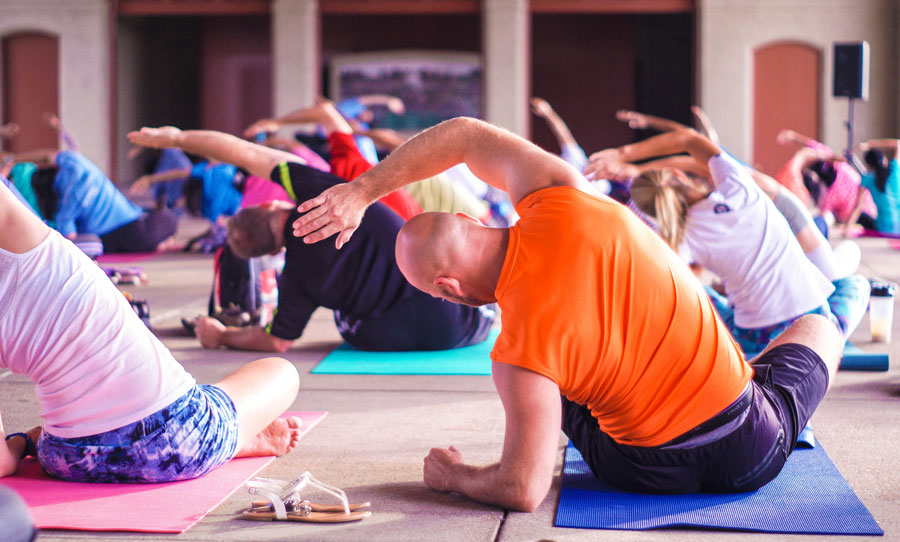
There isn’t a one-size-fits-all answer. However, several approaches may help reduce the likelihood of catching a toe:
- targeted strengthening exercises
- gait training or physical therapy
- supportive walking aids
- footwear designed to promote smoother forward motion
In recent years, new footwear designs have focused on helping the foot move forward more easily during the swing phase of walking — while still maintaining traction and stability when weight is applied.
Rather than restricting movement, these approaches aim to work with the natural walking cycle.
For many people, small changes in how the foot transitions from lift to landing can make a noticeable difference in confidence.


