

For most of our lives, walking is something we rarely think about. It’s automatic, effortless, and dependable. But for many adults, that changes gradually over time. Steps may feel slower, balance may feel less certain, or fatigue can appear sooner than expected.
These changes are more common than people realize, and they don’t always stem from a single injury or condition. Instead, walking challenges often develop quietly — influenced by muscle strength, coordination, joint stability, or simply the natural effects of aging.
Understanding what’s happening can be the first step toward walking with greater confidence again.
Common Walking Challenges Many Adults Experience

While no two people walk exactly the same way, several patterns appear frequently.
Shuffling or dragging a foot
Some people notice their foot doesn’t lift quite as easily as it once did. This can increase the risk of catching a toe on uneven surfaces or small obstacles.
Feeling less steady on your feet
Balance can feel slightly less reliable, particularly on stairs, curbs, or unfamiliar ground.
Fatigue during longer walks
Even short distances can feel more tiring than before, which can lead some people to limit how far they walk.
Reduced confidence outdoors
Uneven pavement, crowded spaces, or unexpected changes in terrain can make walking feel more stressful than it used to.
These challenges don’t necessarily mean something is “wrong.” In many cases, they simply reflect changes in how the body moves and responds over time.
Why Walking Changes Over Time
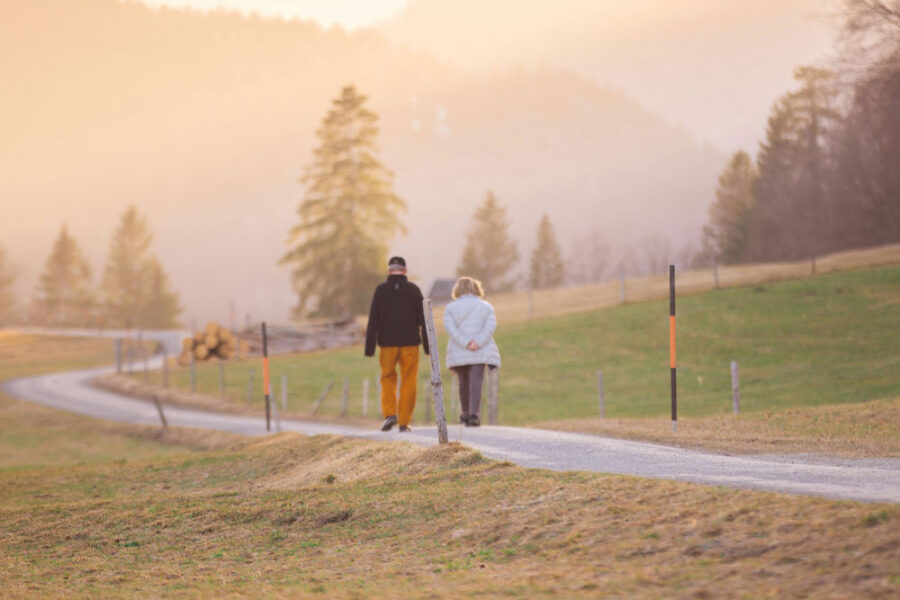
Walking relies on a complex combination of strength, coordination, sensation, and timing. Small shifts in any of these areas can affect how smoothly each step unfolds.
For example:
- Muscles may not lift the foot quite as quickly
- Balance reflexes may respond a bit slower
- Joints may feel stiffer or less responsive
- Fatigue may arrive sooner than expected
Individually, these changes can be subtle. Together, they can make walking feel less automatic and more effortful.
What Helps People Walk More Comfortably and Confidently
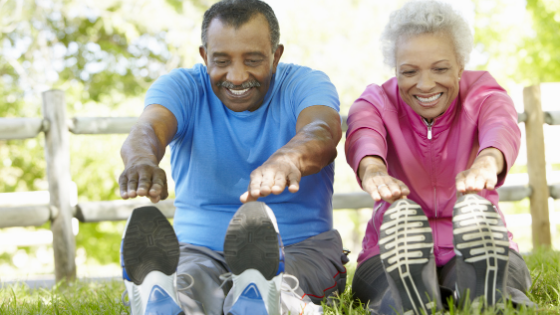
There’s no single approach that works for everyone. Many people find improvement through a combination of strategies, including:
- targeted exercises to maintain strength and coordination
- supportive footwear designed for stability and comfort
- walking aids or tools when appropriate
- small adjustments to stride, posture, or pace
In recent years, new approaches in mobility support have focused on making each step feel smoother while still allowing natural movement. Rather than restricting motion, some solutions aim to work with the body’s natural walking pattern, helping people move forward more easily while maintaining control.
For many, the goal isn’t to walk perfectly — it’s simply to walk with confidence again.


